About This Book
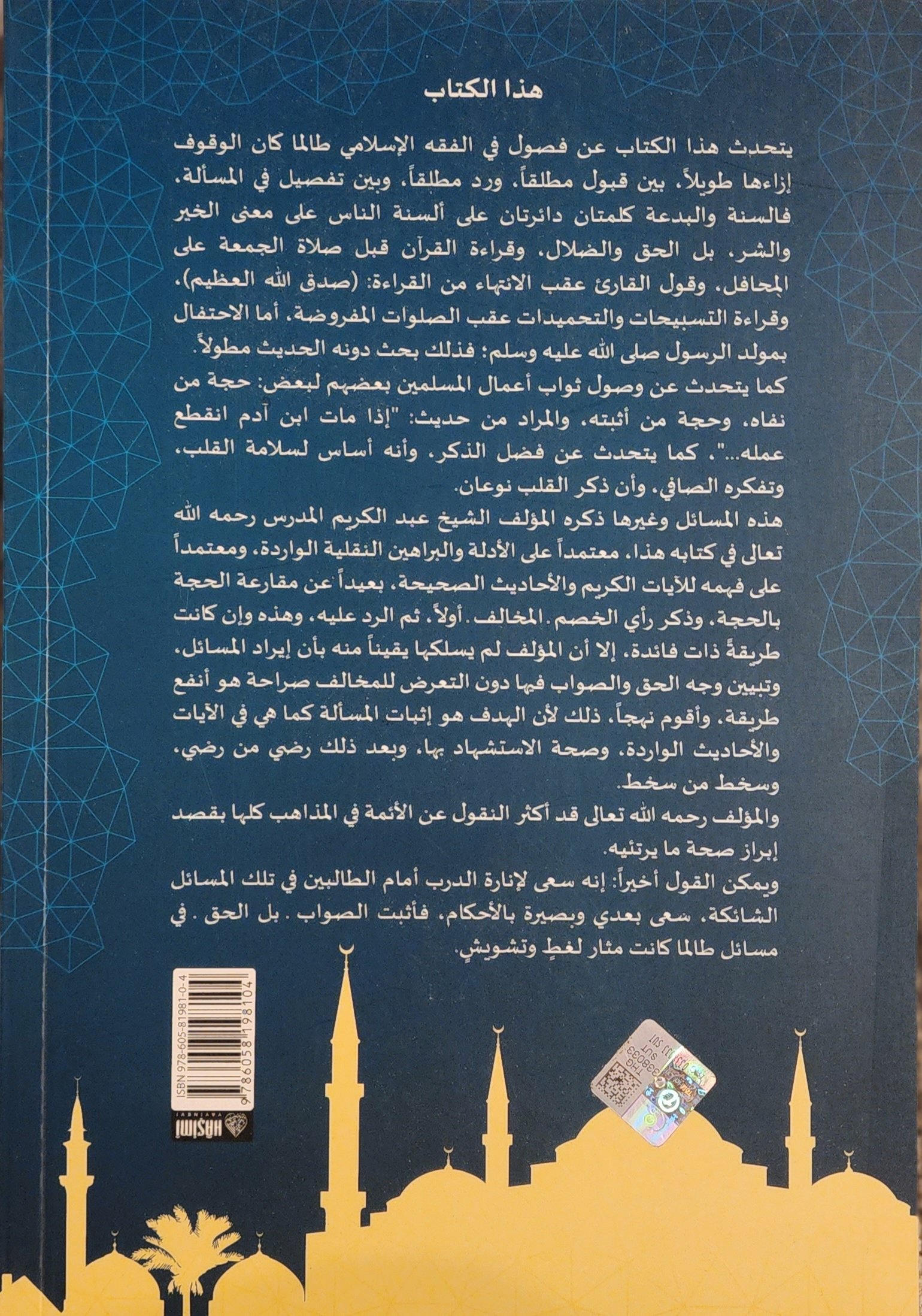
This book discusses chapters in Islamic jurisprudence that have long been subject to prolonged deliberation, ranging from absolute acceptance, absolute rejection, to detailed analysis of the issues.
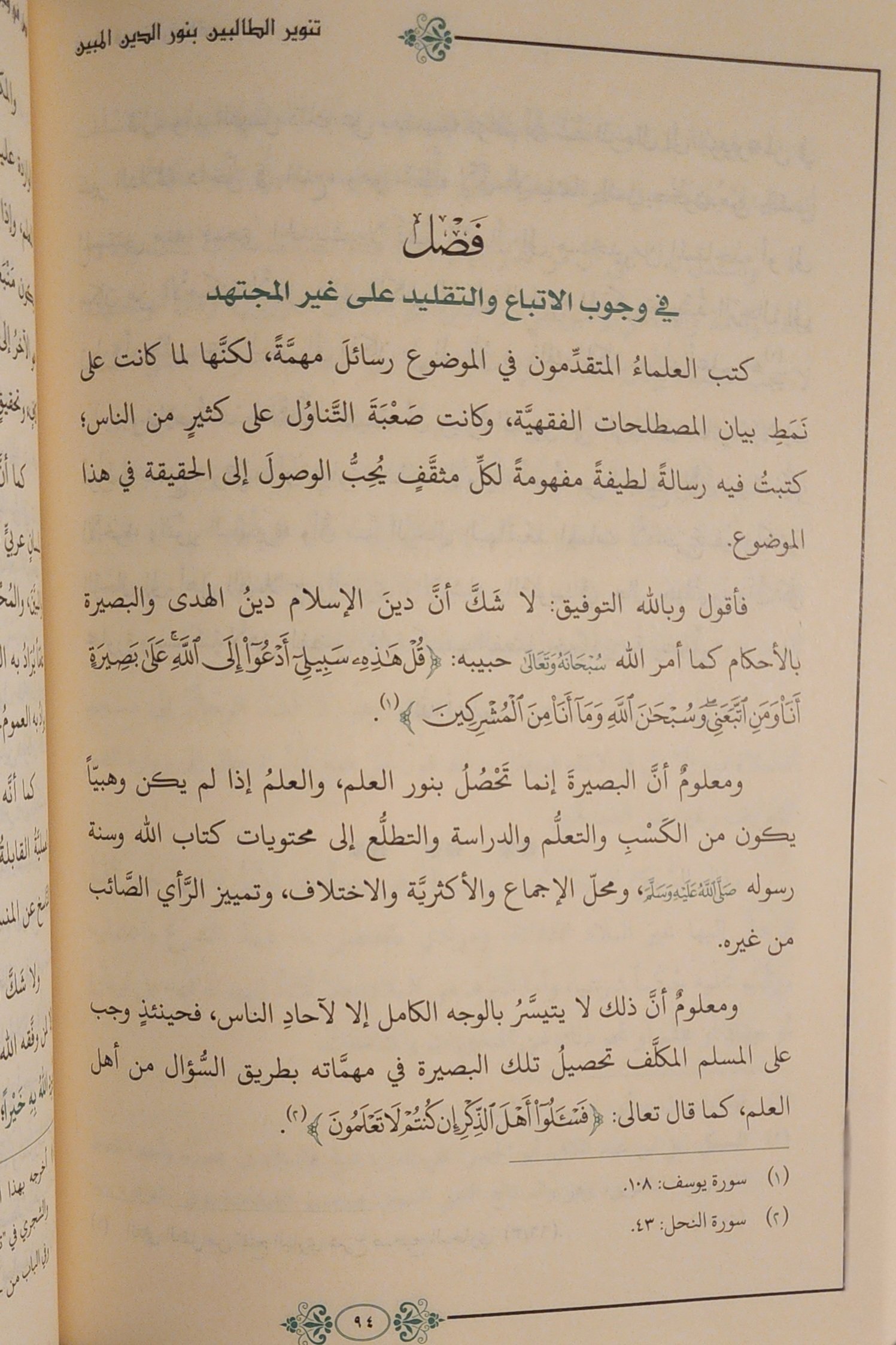
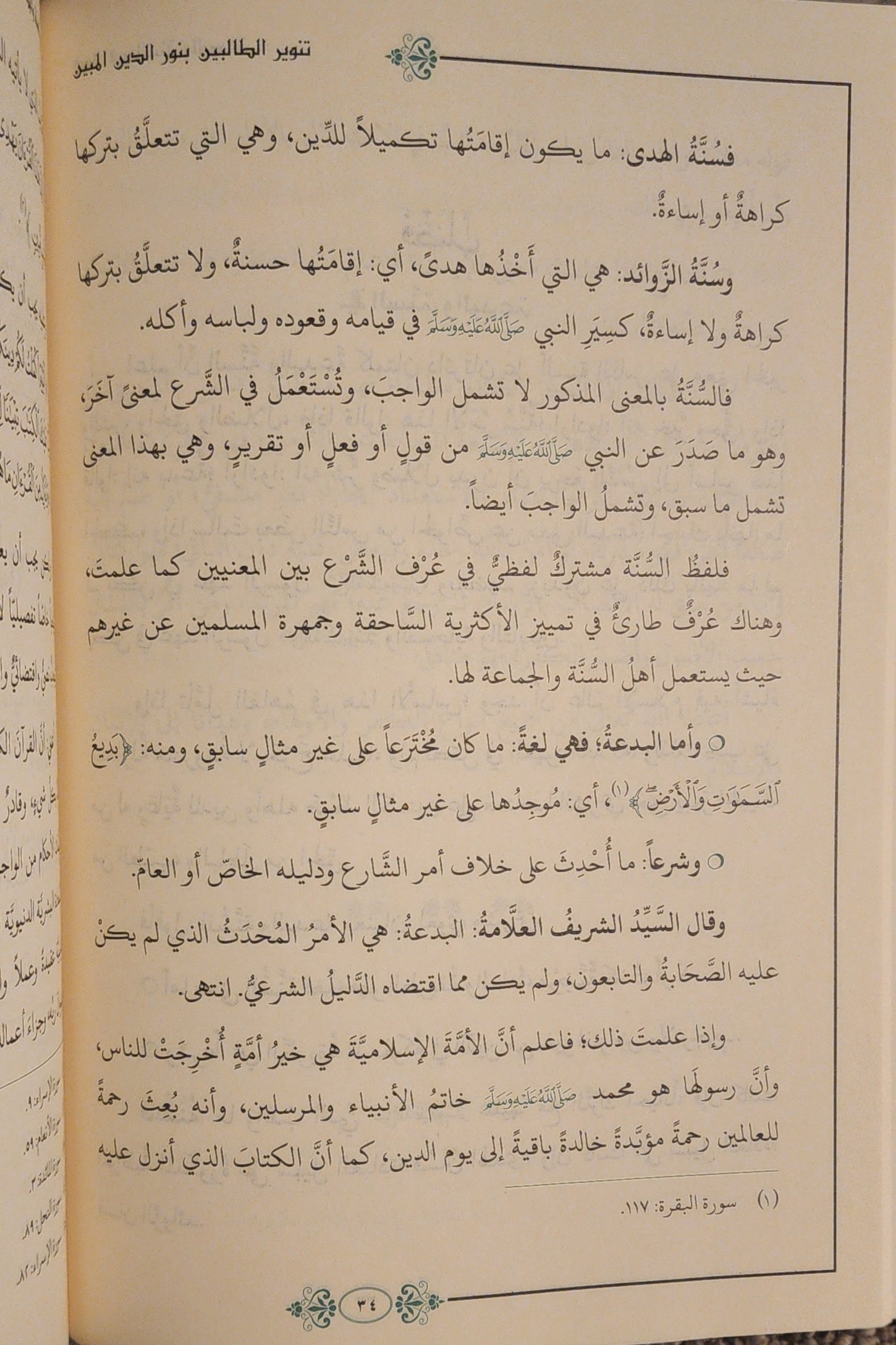
For instance, “Sunnah” (tradition) and “Bid’ah” (innovation) are two terms commonly circulated among people regarding the meaning of good and evil, or rather, truth and misguidance. [It also addresses] the recitation of the Quran before the Friday prayer in some views, and the reciter saying “Allah Almighty has spoken the truth” after finishing the recitation. Additionally, [it covers] the recitation of glorifications and praises following the obligatory prayers. As for celebrating the birth of the Prophet Muhammad (peace be upon him), that is a topic requiring extensive discussion.
The book also speaks about the transfer of reward from the deeds of Muslims to one another: arguments from those who deny it, arguments from those who affirm it, and an analysis of the hadith: “When a person dies, his deeds cease…” It further discusses the virtue of remembrance (dhikr), that it is the foundation for the soundness of the heart and its pure reflection, and that the heart’s remembrance is of two types.
The author, Sheikh Abdul Karim Al-Mudarris (may Allah have mercy on him), mentioned these and other issues in this book of his. He relied on the transmitted textual evidence and proofs available, depended on the value of the noble verses and authentic hadiths, and stayed away from countering argument with argument, and from first stating the opinion of the opposing or differing side and then refuting it. Although this latter method has its benefits, the author did not adopt it, as he believed that presenting the issues and clarifying the aspect of truth and correctness in them without explicitly addressing the opponent is a more beneficial method and a more upright approach. This is because the goal is to establish the issue as it is in the transmitted verses and hadiths, and the correctness of citing them, and thereafter, whoever is pleased is pleased, and whoever is displeased is displeased.
The author (may Allah have mercy on him) extensively quoted from the Imams of all schools of thought with the aim of highlighting the correctness of what he adhered to.
Finally, it can be said that he sought to pave the way for seekers of knowledge regarding these intricate issues. He strove with knowledge and insight into the rulings, thus establishing what is correct, indeed the truth, in matters that have long been a source of confusion and disturbance.